

A quick tidy can make a home look presentable, but appearance does not tell the whole story. Most people focus on visible jobs such as washing dishes, wiping benches and vacuuming open floors. Meanwhile, dust, grease and residue settle in places that rarely make it onto a normal cleaning list.
These areas are easy to overlook when time is short. Paying attention to them can make a home feel fresher. For households needing help with the details, cleaning services Surry Hills can complement the regular jobs residents already manage.
1. The Small Areas Everyone Touches
Door handles, light switches, cupboard pulls and remote controls are handled throughout the day. Fingerprints, skin oils and grime gradually build up, particularly around entrances and shared spaces.
Use a suitable cleaner on a cloth rather than spraying liquid onto switches or electronics. Check care guidance for delicate finishes and never soak electrical fittings. A few careful minutes can freshen details that are used constantly but rarely receive attention. It is worth including these touchpoints in a regular checklist, particularly during cold and flu season, when several people may be sharing the same rooms.
2. Behind and Beneath Furniture
Floors may look spotless while dust gathers under sofas, beds and cabinets. These spaces collect hair, crumbs and lint. Moving heavy furniture weekly is unrealistic, but accessible gaps should not be ignored.
Use a vacuum attachment beneath furniture that is safe to move. Shift lightweight pieces occasionally and check behind bedside tables and around dining chair legs, where debris tends to settle.
3. Kitchen Details Beyond the Benchtop
Kitchen grime travels beyond the benchtop. Cabinet handles, refrigerator doors, microwave buttons and splashback edges collect fingerprints, oil and food splatters. The area around the rubbish bin also needs attention.
A simple kitchen check can include:
- Wiping cupboard and appliance handles with a suitable cleaner.
- Cleaning the outside of the microwave and refrigerator.
- Checking the sides of the stove for grease or spills.
- Washing the bin lid and cleaning the floor around it.
Always use products that suit the surface. Strong chemicals are not automatically more effective, and mixing cleaning products can be dangerous. For stubborn grease, let a suitable product work according to its label instead of scrubbing aggressively. A little patience can protect finishes and reduce unnecessary effort.
4. Bathroom Grout and Shower Corners
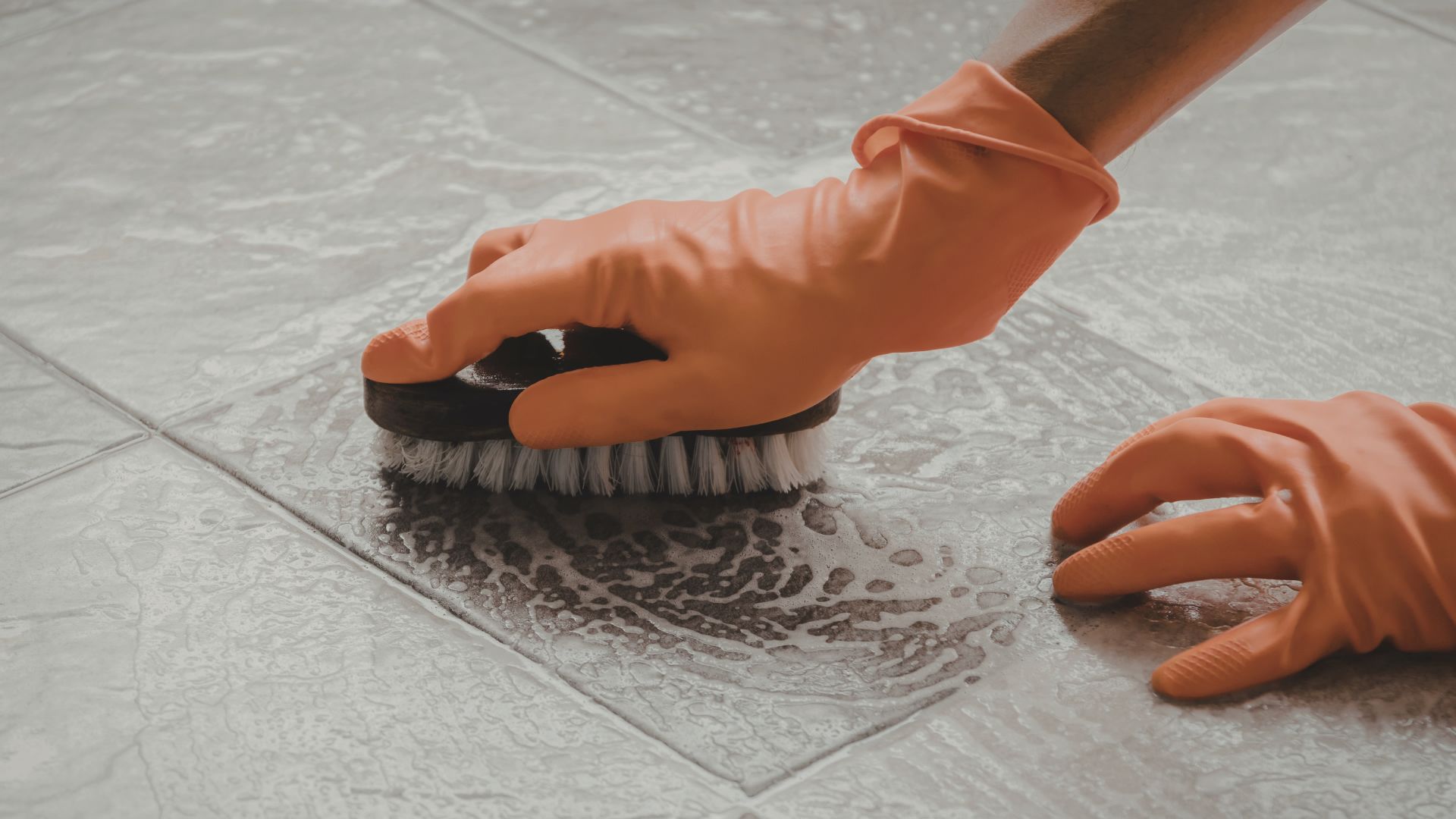
Bathrooms are often cleaned around the basin, toilet and main floor, while grout lines, shower screen edges and tap corners hold soap residue and moisture. If they stay damp, discolouration or mildew may develop.
After showering, ventilate the room where possible and remove excess water from wet surfaces. Clean grout with a product designed for the material, following its instructions. Avoid abrasive tools that could scratch tiles or damage sealant. If mould keeps returning or covers a large area, it may point to a ventilation or moisture issue that needs more than routine cleaning.
5. Ceiling Fans, Vents and Light Fixtures
Dust also settles on fan blades, air vents, lampshades and light fittings. These spots are easy to miss because they sit above eye level.
Switch off fans and lights before cleaning, and make sure the fixture is cool. Use a stable step ladder if needed; never balance on a chair or stretch from an unsafe position. A long-handled duster can help with reachable areas, while vents may need careful vacuuming. If a fitting is difficult to access, leave it to someone with the right equipment.
6. Window Tracks, Blinds and Curtains
Window tracks can hold dust, dead insects and outdoor debris. Blinds collect fine particles along their edges, while curtains need occasional care depending on their fabric. Sunlight can make this buildup especially noticeable.
Vacuum window tracks with a narrow attachment, then wipe them with a damp cloth. Check whether blinds can be dusted or need a specific cleaning method. Before washing curtains, read the care label; some materials shrink or lose their shape if treated incorrectly. Keeping these areas in the routine prevents a small buildup from becoming a bigger job.
7. Skirting Boards and Corners
Skirting boards, door frames and spaces behind doors are easy to miss when vacuuming or mopping. Dust, pet hair and scuff marks gather along room edges. A vacuum brush or damp microfibre cloth can freshen these details.
Pay attention to corners behind doors and around furniture legs as well. These spots are often missed because they are outside the usual path taken during a quick clean. There is no need to tackle every edge daily; adding one room to the list each week can keep the task manageable.
Why Routine Cleaning Sometimes Falls Short
Everyday cleaning keeps a home usable by dealing with spills, clutter, dishes and visible dust. Detailed cleaning reaches less obvious places where residue accumulates. Neither replaces the other: routine tidying supports daily life, while focused attention prevents neglected areas from being forgotten.
A weekly house cleaning routine can make maintenance easier because jobs are spread across the week rather than left until the whole home needs attention. For example, one day could be set aside for bathroom details, another for dusting higher surfaces, and another for window tracks or skirting boards. The schedule does not need to be complicated. It simply needs to suit the household and be realistic enough to follow. A list on the fridge can help everyone remember which task is due, without turning cleaning into a project.
When Extra Help Makes Sense
Busy households, shared spaces and homes with pets can make detailed chores harder to manage. A professional cleaning service can help with maintenance or tasks needing extra time and equipment. Before a visit, explain priorities, mention delicate surfaces and agree on what is included.
Good preparation also makes a visit smoother. Clear small items from the surfaces to be cleaned, secure pets if necessary and point out any stains or damage. This helps cleaners work carefully and avoids misunderstandings about what can safely be treated.
Keep the Forgotten Spots in Rotation
A home does not need to be deep-cleaned from top to bottom every day. The more useful approach is to notice what gets missed and bring those areas into a simple rotation. Choose one or two overlooked spots each week, use suitable products and avoid rushing jobs that require care.
When everyday tidying is supported by occasional detailed attention, the whole space is easier to maintain. The goal is not perfection; it is a home that feels comfortable, fresh and looked after, including the corners that rarely get noticed.